Alcohol at Sea

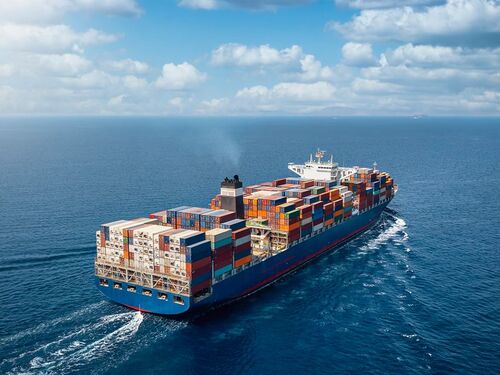
A large container cargo ship in motion

In progress

A large container cargo ship in motion

The National Academy of Sciences, Engineering, and Medicine will convene an ad hoc committee to prepare an assessment that will inform public policies concerning the possession and consumption of alcohol by crew members and other personnel aboard commercial vessels of the United States. The assessment will consider the personal security, welfare, and safety interests of all individuals aboard the vessel as well as the use of other intoxicants in conjunction with alcohol.

Introduction

The U.S. maritime industry is essential to moving goods and people and to supporting national security. Building a strong maritime workforce includes creating shipboard environments where safety, respect, and well-being are protected. Clear alcohol standards, consistent testing and reporting systems, and trusted support pathways can strengthen readiness and help prevent avoidable harms before they occur. This 2026 National Academies report, Strengthening Alcohol Policies and Supporting Safety and Health in the Maritime Industry, presents a comprehensive, evidence-informed strategy to address these interconnected issues.

Key takeaways

Impairment at Low Blood Alcohol Concentration (BAC)

The romanticized image of “drinking at sea” masks serious safety risks, as even low blood alcohol levels can impair attention, judgment, and steering. U.S. Coast Guard regulations set a BAC limit of 0.04% but do not include the stricter 0.02% active-duty restriction used in other transport sectors.

Alcohol and Drug Testing

Maritime regulations do not require random alcohol testing, and the Coast Guard’s standard 5‑panel drug test leaves out several impairing substances. Funding reductions have also constrained the Coast Guard’s ability to oversee, update, and modernize these testing programs.

Prevention and Response for Sexual Misconduct

Current substance misuse and sexual misconduct policies are fragmented and uneven across the maritime industry, and the Every Mariner Builds a Respectful Culture (EMBARC) Program applies only to a limited subset of vessels and has yet to be systematically evaluated. Strengthening culture will require coordinated standards, timely responses to concerning behavior, and robust bystander intervention efforts.

Mariner Health and Well-being

Wellness programs can bolster mariners’ physical and mental health, but access to care is still constrained by cost, limited providers, and restrictive telemedicine rules. Modeled on professional health programs in other sectors, approaches that pair accountability with recovery support can enhance safety and build a more resilient maritime workforce.

Data on Workforce Challenges

Reliable evidence on mariner alcohol and substance misuse is still scarce and fragmented, even as national data indicate that maritime workers report binge drinking at higher rates than many other occupations. Available studies also point to underreporting of alcohol use, sexual misconduct, and related disciplinary actions, obscuring the full scope of risk in the maritime workplace.

Expectations for Maritime Institutes and Academies

Maritime academies shape the future maritime workforce but face mounting challenges, including uneven policies and campus climates. Without a common set of expectations across institutions, and amid the elimination of affinity groups that may influence community building and inclusion, the sector lacks a consistent foundation for preparing and supporting the next generation of mariners.

Screening, Credentialing, and Training

Pre-employment and recredentialing are critical opportunities to identify mariners who need support or may be unsuitable for duty, yet gaps in disclosure requirements can leave serious risks unaddressed within the active workforce. At the same time, the industry lacks standardized non-technical skills training at hiring, limiting its ability to build shared expectations for professional conduct and safety culture.

Reporting and Response

Confidentiality, amnesty, and anti-retaliation protections make it safer for mariners to report concerns and misconduct, which strengthens overall safety culture. Survivor confidentiality can be balanced with investigative needs, and trauma-informed response practices help support survivors while building trust in reporting and response systems.

Leadership Accountability

Leadership at every level of the maritime system is essential to building a safe and healthy workforce, from company executives to captains on individual vessels. Holding leaders accountable for crew health and conduct, paired with clear standards and proactive, visible leadership, helps embed a strong culture of safety across the industry.

Key Recommendations

The committee’s recommendations emphasize prevention, safety, and workforce well-being across the maritime industry. They call for updated policies, stronger accountability, and expanded supports that reflect evidence from other safety-sensitive sectors. The recommendations are directed to specific entities, primarily the U.S. Coast Guard and the U.S. Maritime Administration, to establish clear leadership and responsibility. Effective implementation will require coordination with maritime employers, labor organizations, training institutions, and other partners, as well as sustained investment and periodic review as evidence evolves.

Framing Prevention as a Shared Responsibility

The study situates alcohol policy within a broader prevention system that includes leadership, training, reporting structures, and access to care. It emphasizes that prevention is preferable to responding after harm occurs, and that consistent expectations across vessels, companies, and training environments can support readiness. Implementation is framed as multi-entity work: each recommendation names a lead agency for accountability while recognizing that coordination across government, industry, labor, and training institutions will shape outcomes.

Conclusion

Strengthening policies that prevent alcohol and other drug misuse, and sexual misconduct is essential to safer operations and healthier environments on board U.S.-flagged commercial vessels. Mariner well-being can be better supported through clear standards for alcohol use and possession, modernized testing, stronger sexual misconduct prevention and response, investment in health and well-being, improved data on workforce challenges, higher expectations for maritime institutes and academies, enhanced pre-employment screening and re-credentialing, consistent reporting and response practices, and expanded access to care. Over time, shared expectations and accountable leadership can sustain a culture of safety that supports mariners and the missions they serve.​

Subscribe to Email from the National Academies
Keep up with all of the activities, publications, and events by subscribing to free updates by email.